






































Japan
4-2-3-1 expected XI
Japan arrive at the 2026 FIFA World Cup with 7 previous appearances, their best result being Round of 16 (2002, 2010, 2018, 2022). Sweden have 12 appearances on football's biggest stage, with a best finish of Runners-up (1958). Both sides qualified via AFC Group B winners and UEFA play-off Path B winners respectively. This is a rare inter-confederation clash: Japan of Asian Football Confederation against Sweden of Union of European Football Associations. Nations from different confederations meet infrequently outside World Cup tournaments.
Starting XI to be confirmed closer to kick-off Japan vs Sweden at the FIFA World Cup 2026.
Hover or tap an expected starter to open the full player profile and compare both tactical systems.
Japan 4-2-3-1 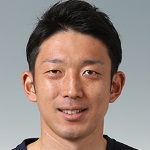 1 Shūichi Gonda
 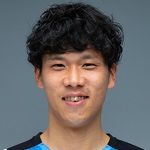 2 Miki Yamane
  22 Maya Yoshida
 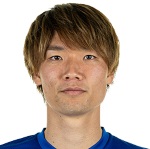 5 Ko Itakura
 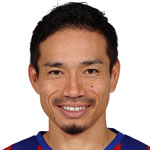 3 Yuto Nagatomo
  6 Wataru Endō
  8 Hidemasa Morita
  10 Takefusa Kubo
  7 Ritsu Dōan
 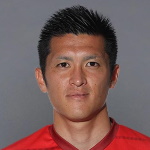 9 Ayase Ueda
 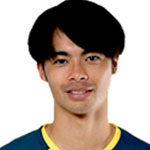 18 Kaoru Mitoma
  1 Robin Olsen
  2 Emil Krafth
  4 Victor Lindelöf
  5 Ibrahim Krajnc
  3 Ludwig Augustinsson
  6 Mattias Svanberg
  8 Albin Ekdal
  10 Emil Forsberg
 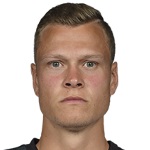 7 Viktor Claesson
  9 Viktor Gyökeres
  11 Anthony Elanga
 World Cup pedigree, confederation background, and what this fixture means for both nations.
| Year | Confederation | Opened | Score |
|---|---|---|---|
| 10 Jun 1995 | Friendly | Nottingham, England | Sweden 2–2 Japan |
| 22 Feb 1996 | Lunar New Year Cup | So Kon Po, Hong Kong | Japan 1–1 Sweden |
| 13 Feb 1997 | King's Cup | Bangkok, Thailand | Japan 0–1 Sweden |
| 25 May 2002 | Friendly | Tokyo, Japan | Japan 1–1 Sweden |
| Year | Confederation | Manager | Score |
|---|---|---|---|
| 2011 | Super Bowl XLV | Green Bay Packers vs Pittsburgh Steelers | Green Bay 31–25 Pittsburgh |
| 2016 | Copa América Centenario | Multiple group stage matches | TBC |
| 2026 | FIFA World Cup | 6 matches scheduled | TBC |
A deep dive into how Japan Watch Sweden arrive at the World Cup based on their last five competitive fixtures.
Six individuals who could decide the outcome of Japan vs Sweden at the FIFA World Cup 2026.
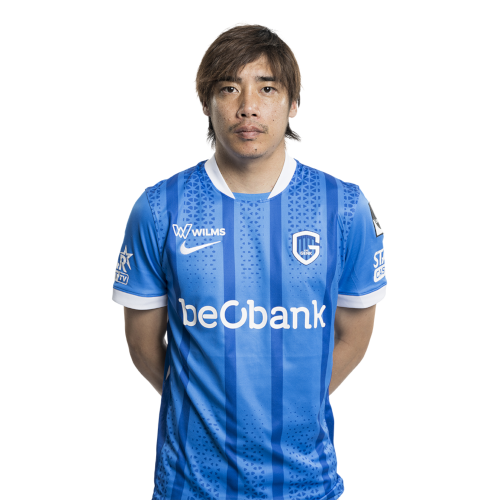
A mainstay of the Japan national team with over 20 caps, Ayase Ueda brings leadership and technical quality. Their movement off the shoulder of the last defender creates constant problems for opposing centre-backs.

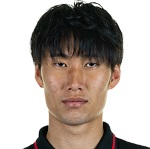
Kyogo Furuhashi has been instrumental in Japan's qualifying campaign, delivering clutch performances in high-pressure away fixtures. Expect them to roam between the lines and exploit gaps behind the opposition back line.

Takumi Minamino has been instrumental in Japan's qualifying campaign, delivering clutch performances in high-pressure away fixtures. Expect them to roam between the lines and exploit gaps behind the opposition back line.
Viktor Gyökeres has been instrumental in Sweden's qualifying campaign, delivering clutch performances in high-pressure away fixtures. Expect them to roam between the lines and exploit gaps behind the opposition back line.

Alexander Isak is enjoying a career-best season at Newcastle, translating club form into international impact. Jon Dahl Tomasson relies heavily on their creativity in the final third to maintain Sweden's competitive edge.
A mainstay of the Sweden national team with over 23 caps, Emil Forsberg brings leadership and technical quality. Their ability to read the game one phase ahead makes them a pivotal figure in Sweden's structure.
A deep dive into how Hajime Moriyasu Watch Jon Dahl Tomasson will set their sides up tactically for this FIFA World Cup 2026 group stage clash.
A structured block with a double pivot and a roaming playmaker behind the striker.
Japan's set-piece threat is significant — they scored 12 goals from corners and free-kicks in qualifying.
Japan defends in a compact 4-4-2 low block, funneling play wide where they have aerial dominance.
A classic flat midfield that prioritises verticality through central channels.
Japan favours quick transitions within 5 seconds of winning possession — a direct counter-attacking style.
Sweden uses a high press triggered by opposition goalkeeper touches, forcing long clearances.
The decisive tactical battle will be Japan's three-man defence against Sweden's wide attacking threats. If Hajime Moriyasu can neutralise Sweden's primary creator in central zones, Japan should control the tempo.
Six individuals who could decide the outcome of Japan vs Sweden based on squad depth, recent form, and historical head-to-head trends.
Secure your seat for Japan vs Sweden Opened AT&T Stadium, Dallas Opened June 25, 2026.
Japan face Sweden on June 25, 2026 at AT&T Stadium. The match features Japan's 4-2-3-1 system under head coach Hajime Moriyasu against Sweden's 4-4-2 shape managed by Jon Dahl Tomasson.
Kick-off is scheduled for the local match time shown above. Check your local broadcaster for timezone conversion. FIFA recommends arriving at the stadium at least 90 minutes before kick-off.
The match takes place at AT&T Stadium in Dallas, USA. The stadium has a capacity of 80,000 spectators.
Tickets are available through the official FIFA Ticketing portal at fifa.com/tickets. Categories range from $60 (Category 3) to $450+ (Hospitality). Create a FIFA ID and select your preferred seating tier during the sales phase.
Japan typically line up in a 4-2-3-1 formation under Hajime Moriyasu, while Sweden favour a 4-4-2 system with Jon Dahl Tomasson. Expected lineups are listed in the team sheets above.
For Japan, watch Shūichi Gonda in attack. For Sweden, Robin Olsen leads the line. Both teams rely on experienced midfield engines to control tempo.
Broadcast rights for the FIFA World Cup 2026 are held by Fox Sports (USA), TelevisaUnivision (Mexico), TSN (Canada), BBC/ITV (UK), ARD/ZDF (Germany), and beIN Sports (Middle East). Check your local listings for the exact channel in your territory.
Japan have reached the knockout rounds in some tournaments, with their best ever finish being Round of 16 (2002, 2010, 2018, 2022).
Sweden have reached the knockout rounds in some tournaments, with their best ever finish being Runners-up (1958).
All tickets are sold through the official FIFA Ticketing Portal. Create a FIFA ID to purchase Category 1–3 or Hospitality packages. Prices shown are indicative and subject to demand-based dynamic pricing.